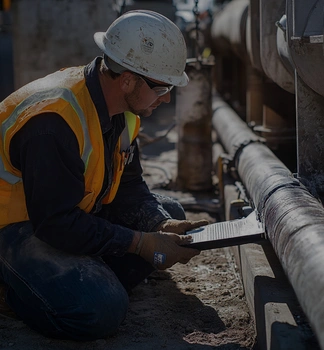
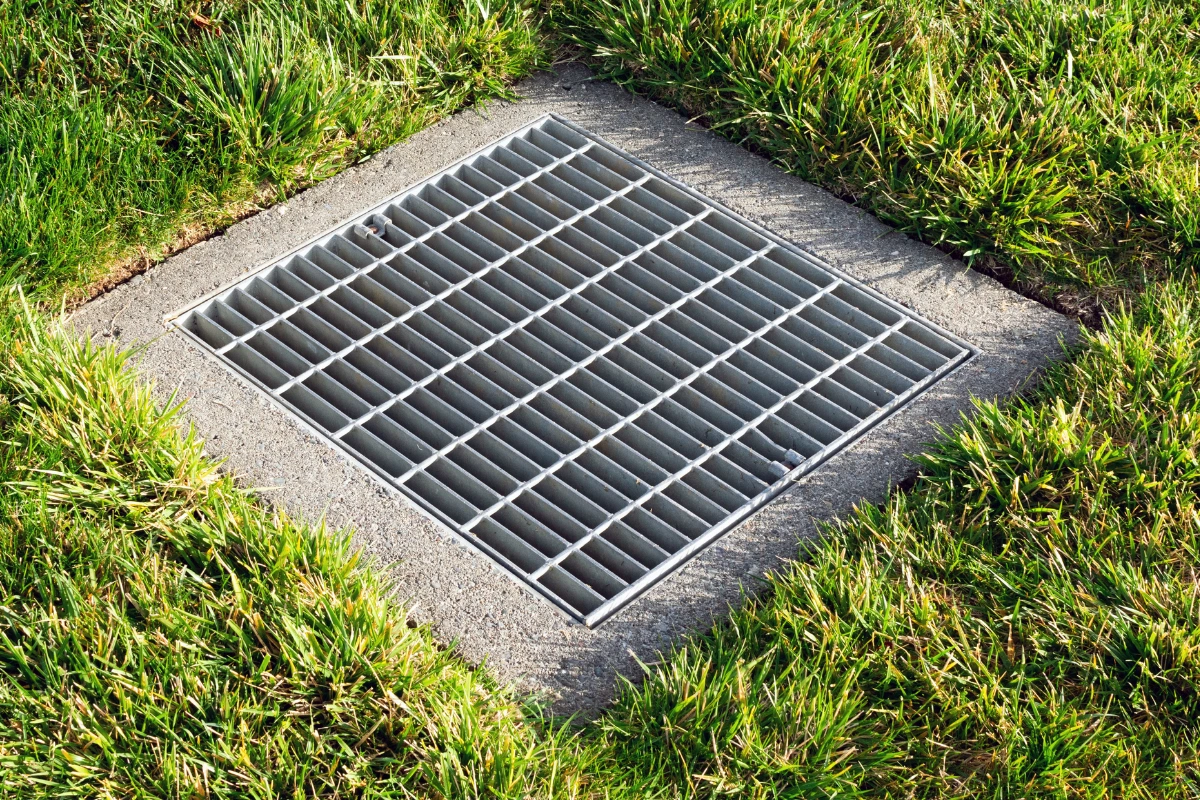
Catch basins provide a practical way to collect surface water where runoff repeatedly gathers around yards, landscaped areas, patios, and other low points. Contractors within our network assess how water moves across Los Angeles properties to determine where a basin can intercept runoff before it spreads or settles.
A properly planned system considers basin placement, grate elevation, underground drain piping, and where collected water can be discharged. The goal is to address the actual drainage pattern of the property rather than simply placing a drain where water is visible.
Catch Basin Planning & Installation
Catch basin installation starts with understanding where runoff originates, where it naturally collects, and how it can be carried away. Contractors represented through our network evaluate these conditions before determining the appropriate basin location and drainage route.
- Identify low points and areas where rainwater repeatedly pools or moves across the property.
- Plan basin placement and grate elevation around the existing grade and direction of surface runoff.
- Route collected water through suitable drain piping toward an appropriate discharge location.


Concerned about standing water? Contact Us

“Effective catch basin placement starts with understanding where surface water naturally travels and collects.”
Where Catch Basins Make Sense
Catch basins are commonly considered where surface runoff reaches a defined low point and needs a direct collection point. They can be incorporated into yard drainage systems and other site-specific drainage layouts when the property conditions support their use.

Low-Point Collection
Capture runoff where water naturally settles in yards, landscaping, and other low areas.

Controlled Drainage
Direct collected runoff through drain piping instead of allowing water to remain at the surface.
Catch Basin Installation FAQs
Answers to common questions about catch basins, standing water, placement, and residential drainage in Los Angeles.
A catch basin collects surface runoff through a grated opening and directs the water into connected underground drainage piping. It is commonly used where water consistently gathers at a defined low point.
Placement depends on the property's grade and runoff pattern. Catch basins are typically considered at low points where surface water naturally collects, provided the basin can be connected to a suitable drainage route.
It can help when standing water is caused by surface runoff collecting at a suitable drainage point. If poor grading, saturated soil, or another condition is contributing to the problem, additional drainage work may be needed.
Collected water enters connected drain piping and is routed toward an appropriate discharge point. The available route depends on the property layout, elevation, existing drainage, and applicable local requirements.
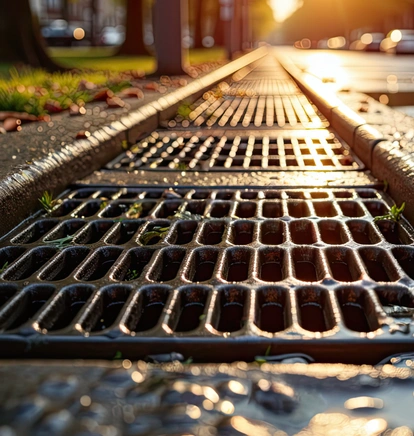
Yes. Leaves, soil, mulch, and other debris can collect around the grate or inside the basin. Periodic inspection and cleaning help keep the inlet and connected drainage line open for runoff.