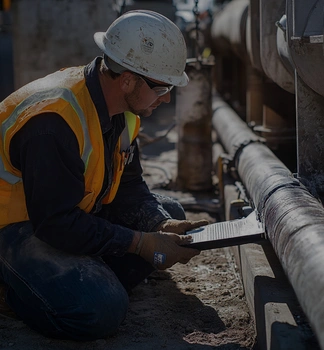
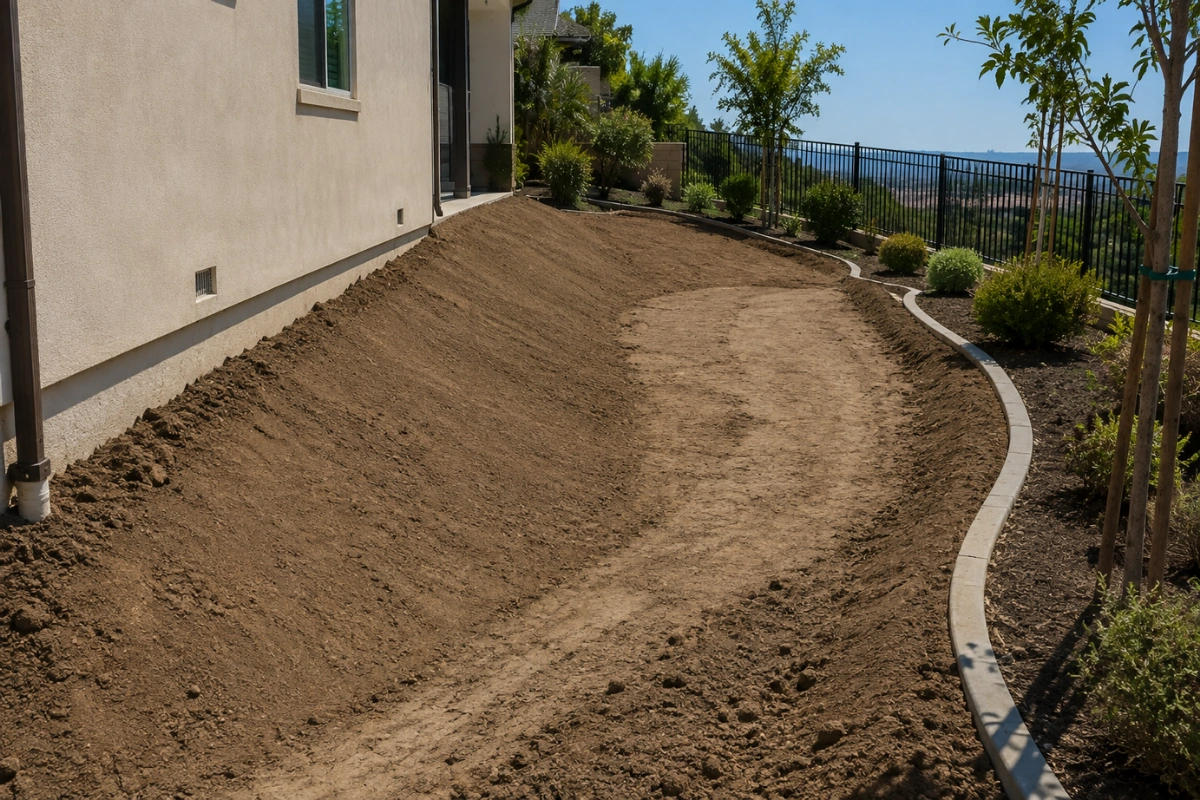
The shape and elevation of the ground determine where rainwater travels long before it reaches a drain. When a yard pitches toward the house, contains uneven depressions, or has been altered by landscaping and construction, runoff can follow paths that were never intended. Grading and drainage work addresses those surface conditions by establishing a more appropriate direction for water movement.
Across Los Angeles, property layouts can vary considerably from compact urban lots to larger yards with changing elevations. Contractors within our network evaluate the existing grade, nearby structures, hardscape, soil conditions, and available drainage routes before determining how the ground should be adjusted and whether supplemental drainage is appropriate.
How Grading Addresses Runoff
Effective grading is about creating intentional elevation changes rather than simply adding or removing soil. The finished surface needs enough fall to encourage runoff in the desired direction while working with existing patios, walkways, planting areas, walls, gates, and other fixed features of the property.
- Evaluate existing elevations to identify reverse slopes, depressions, and surfaces directing runoff toward unwanted areas.
- Reshape appropriate sections of the property to establish a more consistent path for surface water to follow.
- Coordinate grading with drains or other drainage components when elevation changes alone cannot manage the site conditions.


Not sure where your runoff should go? Contact Us

“Good drainage begins with the ground itself. Small elevation differences can determine whether runoff moves away or settles where it should not.”
When the Existing Grade Is the Problem
Not every drainage problem begins with a missing drain. Sometimes the issue is the way the property itself is pitched. Soil may have settled, landscaping may have changed elevations, or an existing slope may direct runoff toward a structure or low section of the yard. Recognizing these conditions is important before deciding what type of correction is appropriate.

Positive Drainage
Adjust ground elevations so surface runoff moves away from sensitive areas instead of toward them.

Grade Transitions
Account for changes between lawns, planting beds, walkways and other surfaces that influence runoff.
Grading & Drainage FAQs
Common questions about yard grading, surface runoff, drainage slopes, and correcting elevation-related water problems on Los Angeles properties.
Common signs include runoff moving toward the house, water remaining in shallow depressions, consistently wet areas after rain, and sections of the yard that visibly slope toward places where water should not collect. A site evaluation can determine whether elevation is contributing to the drainage issue.
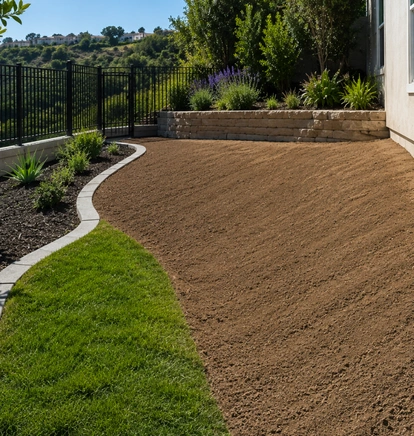
Positive grading generally means the ground is shaped so surface water moves away from the structure rather than toward it. The appropriate slope and available distance depend on the property's layout, existing elevations, hardscape, landscaping, and drainage conditions.
Regrading can help when water is being trapped by a depression, reverse slope, or poorly shaped surface. If the property does not have a suitable route for runoff, grading may need to be combined with another drainage method rather than used as a stand-alone correction.
No. The amount of grading depends on where the elevation problem occurs and how it affects runoff. Some properties may require adjustment within a limited section, while others have broader elevation conditions that need a more extensive grading and drainage plan.
Yes. Grading and drainage components can serve different purposes within the same plan. The grade controls how surface runoff travels, while an appropriate drainage system can collect or convey water where the site's elevations alone cannot provide a practical route.